Optimus Bone & Joint Clinic — specialised care for healthier bones, stronger joints and better mobility. Call 7303127057 / 9599661018 to schedule your visit.
- Email Us: optimusboneandjointclinic@gmail.com
- Call Us: 7303127057
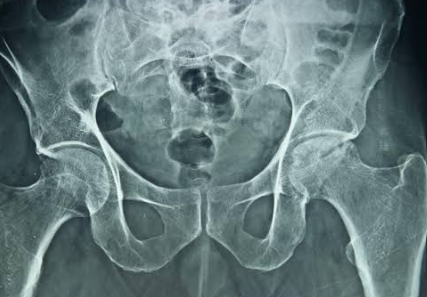
Understanding the Condition
-Avascular necrosis (AVN) occurs when the blood supply to the femoral head is reduced or interrupted. -Reduced blood flow can lead to damage and gradual collapse of the femoral head. -Common symptoms include hip or groin pain, stiffness and difficulty walking. -Pain may initially occur with activity and can progress to discomfort even at rest. -Risk factors may include prolonged corticosteroid use, alcohol excess, certain blood disorders, trauma and other medical conditions.
Diagnosis & Treatment Planning
A detailed history and clinical examination help assess symptoms and hip function. X-rays may identify structural changes or collapse in more advanced disease. MRI can help detect AVN at an earlier stage and assess the extent of bone involvement. Treatment depends on the stage of AVN, extent of femoral-head involvement, symptoms and overall health. Early-stage disease may be managed with appropriate non-operative measures or joint-preserving procedures in selected patients.
Surgical Care & Recovery
Core decompression may be considered in selected patients before significant femoral-head collapse. Once substantial collapse or advanced joint damage occurs, total hip replacement may be considered. Surgical planning includes assessment of hip anatomy, implant selection and the patient’s functional requirements. Post-operative physiotherapy supports gradual restoration of strength, mobility and function. Regular follow-up helps monitor recovery and guide a safe return to daily activities.
Our Expert Doctors
Our team
Sports Medicine Surgeon, Joint Replacement Surgeon
Rehabilitation Physician
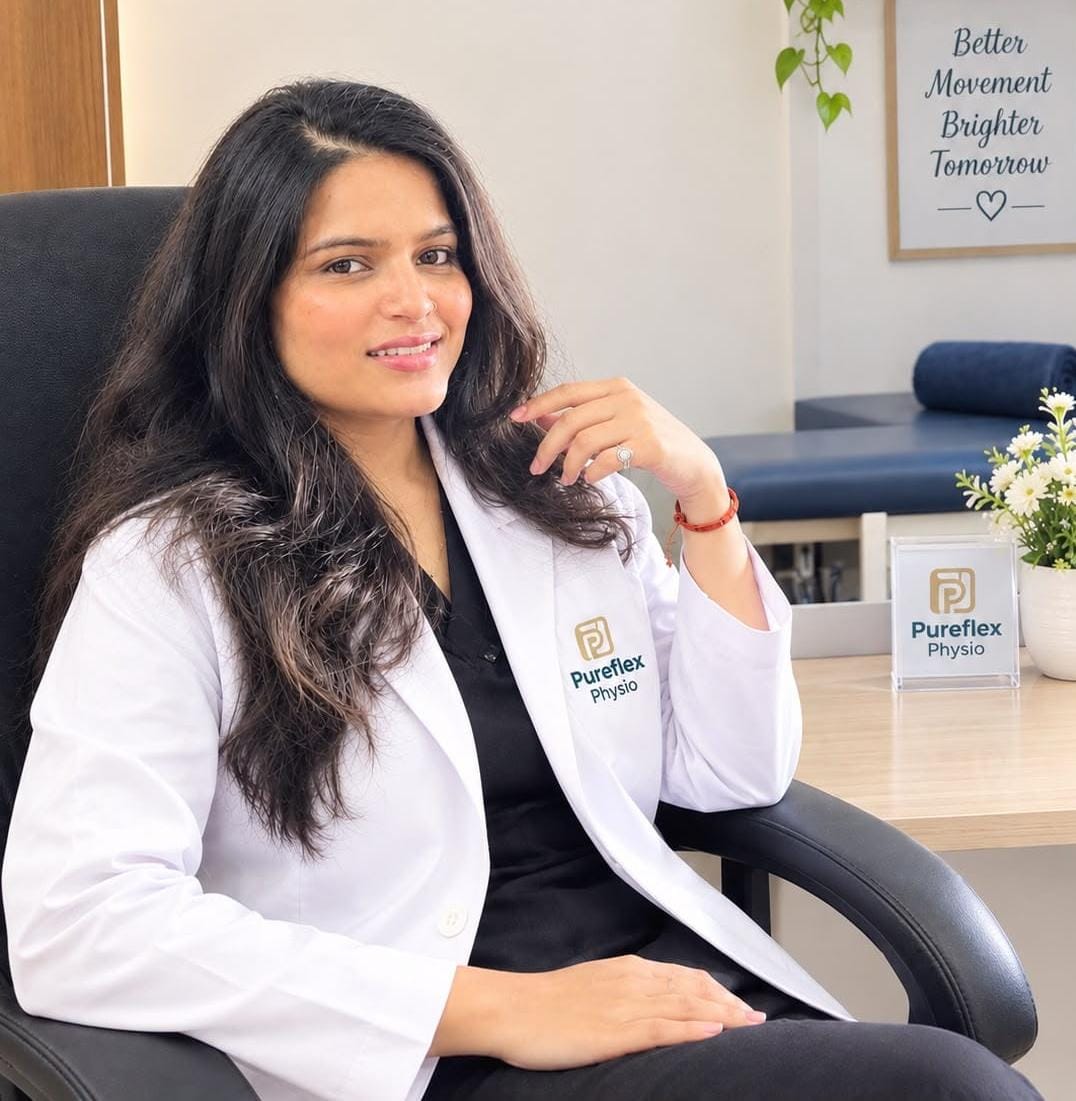
Physiotherapist
Location & Location Map
 Address
37(Basement), National Park, Near Moolchand Metro Station, Lajpat Nagar 4, Delhi 110024, Delhi
- Social Media Connect:


Working Hours
Contact Us
What We Offer
Contact Us
- Email: optimusboneandjointclinic@gmail.com
- Phone: 7303127057
Social Media connect:


Website Powered by icareheal