Optimus Bone & Joint Clinic — specialised care for healthier bones, stronger joints and better mobility. Call 7303127057 / 9599661018 to schedule your visit.

- Email Us: optimusboneandjointclinic@gmail.com
- Call Us: 7303127057
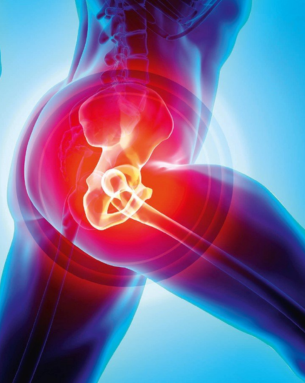
Understanding Hip Replacement Surgery
Hip replacement is a surgical procedure aimed at relieving pain and restoring mobility in patients with severe hip joint damage. It involves replacing the damaged hip joint with a prosthetic implant. Conditions such as osteoarthritis, rheumatoid arthritis, avascular necrosis, and hip fractures can necessitate this surgery. Advances in technology, including minimally invasive techniques and improved prosthetic materials, have made hip replacement a highly successful and long-lasting solution for chronic hip pain.
Types of Hip Replacement Procedures
There are different types of hip replacement surgeries, each tailored to a patient’s specific condition. Total hip replacement (THR) replaces both the ball and socket of the hip joint, providing relief for severe arthritis or joint degeneration. Partial hip replacement is typically performed for fractures, replacing only the femoral head. Hip resurfacing is an alternative for younger patients, preserving more bone while restoring joint function. Choosing the appropriate procedure depends on factors like age, bone quality, and lifestyle.
Recovery and Rehabilitation After Hip Replacement
Post-surgery recovery plays a crucial role in regaining mobility and function. Patients typically begin physical therapy soon after surgery to strengthen muscles and improve flexibility. Following rehabilitation guidelines, maintaining a healthy weight, and avoiding high-impact activities help prolong the lifespan of the prosthetic joint. Most patients experience significant pain relief and improved movement, allowing them to return to daily activities with greater ease.
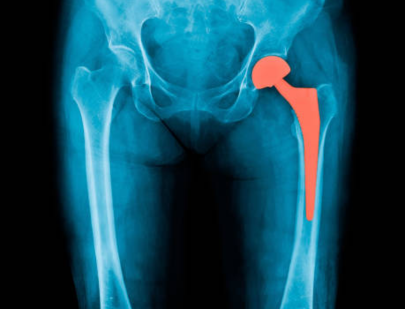
Common Causes of Hip Replacement
Understanding the Conditions Leading to Hip Joint Damage
- Osteoarthritis causes cartilage breakdown and joint pain
- Rheumatoid arthritis leads to chronic inflammation and stiffness
- Avascular necrosis restricts blood supply, causing bone death
- Severe hip fractures may require joint replacement surgery
- Congenital hip disorders contribute to early joint degeneration
.png)
Types of Hip Replacement Surgeries
Selecting the Best Surgical Approach for Long-Term Relief
- Total hip replacement replaces both ball and socket joint
- Partial hip replacement replaces only the damaged femoral head
- Hip resurfacing preserves bone and maintains joint stability
- Minimally invasive hip surgery ensures quicker healing and recovery
- Custom hip implants improve fit and long-term joint function
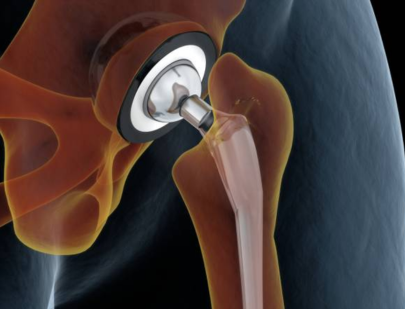
Lifestyle Factors Leading to Hip Replacement
Daily Habits That Increase the Risk of Joint Damage
- Obesity puts excess pressure on hip joints over time
- Sedentary lifestyle weakens hip-supporting muscles and ligaments
- High-impact sports increase joint wear and cartilage damage
- Poor posture and biomechanics cause misalignment and pain
- Repetitive injuries contribute to chronic hip joint degeneration

Recovery and Prevention After Hip Replacement
Maintaining Joint Health and Optimizing Post-Surgery Healing
- Physical therapy enhances mobility and strengthens hip muscles
- Weight management reduces stress on the artificial joint
- Low-impact exercises improve flexibility and overall joint health
- Using supportive footwear prevents strain on the hip joint
- Avoiding high-impact activities prolongs implant longevity
Our Expert Doctors
Our team

Sports Medicine Surgeon, Joint Replacement Surgeon

Rehabilitation Physician

Physiotherapist
Location & Location Map
 Address
37(Basement), National Park, Near Moolchand Metro Station, Lajpat Nagar 4, Delhi 110024, Delhi
- Social Media Connect:


Working Hours
Contact Us
What We Offer
Contact Us
- Email: optimusboneandjointclinic@gmail.com
- Phone: 7303127057
Social Media connect:


Website Powered by icareheal