- Road accidents leading to fractures, head trauma, and internal bleeding
- Falls causing spinal injuries, hip fractures, and concussions
- Workplace incidents involving machinery, heavy equipment, or electrical shocks
- Sports-related injuries such as ACL tears, dislocations, and fractures
- Violent assaults, including gunshot wounds and stab injuries
Take prior appointment first @ 7303127057 & 9599661018

- Call Us: 7303127057
- Email Us: optimusboneandjointclinic@gmail.com
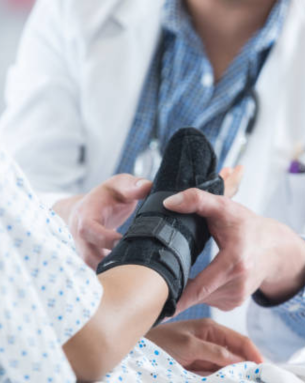
Comprehensive Trauma Care: Rapid Response and Expert Treatment
Trauma care is a specialized branch of emergency medicine focused on the immediate assessment, stabilization, and treatment of life-threatening injuries. Whether caused by road accidents, falls, sports injuries, or violence, trauma requires a multidisciplinary approach to minimize complications and improve survival rates. Advanced trauma centers are equipped with cutting-edge technology, skilled surgeons, and critical care specialists to deliver prompt, lifesaving interventions.
Levels of Trauma Care: From Emergency to Rehabilitation
Trauma care is categorized into different levels based on the severity of injuries and required interventions. Level 1 trauma centers offer the highest level of care, including 24/7 surgical teams, advanced imaging, and specialized ICUs. Lower-level trauma centers provide essential stabilization and referral services. Key elements of trauma care include airway management, hemorrhage control, fracture stabilization, and neurosurgical interventions. Rehabilitation plays a vital role in long-term recovery, focusing on physical therapy, pain management, and psychological support.
The Role of Multidisciplinary Teams in Trauma Care
Trauma care involves coordination between emergency physicians, trauma surgeons, anesthesiologists, radiologists, orthopedic specialists, and rehabilitation experts. Rapid diagnosis through imaging techniques such as CT scans and MRIs helps guide immediate surgical decisions. Innovations such as damage control surgery, minimally invasive orthopedic procedures, and advanced wound care techniques enhance patient outcomes. Post-trauma psychological support is also critical in helping patients recover from the emotional impact of severe injuries.
Common Causes of Traumatic Injuries
Understanding the Major Risk Factors for Trauma Cases
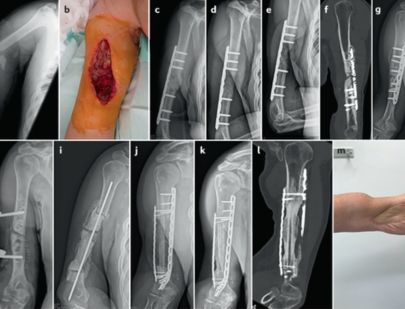
Types of Trauma Care and Interventions
Key Medical and Surgical Treatments for Trauma Patients
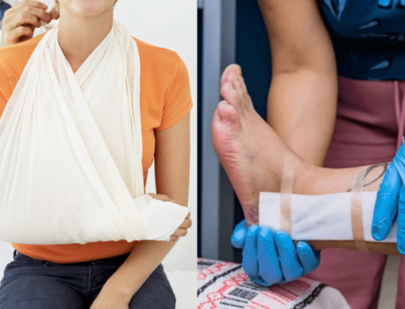
- Emergency airway management ensures oxygenation in critical cases
- Hemorrhage control techniques prevent excessive blood loss
- Fracture fixation stabilizes broken bones for proper healing
- Neurosurgical interventions treat traumatic brain and spinal injuries
- Intensive care unit (ICU) support aids recovery in severe trauma cases
Recovery and Prevention Strategies in Trauma Care
Key Measures to Enhance Survival and Reduce Trauma Risks
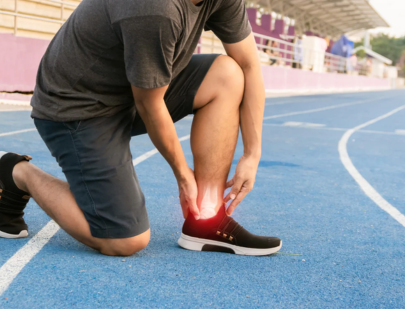
- Immediate first aid and CPR training improve emergency response
- Advanced trauma life support (ATLS) ensures rapid medical intervention
- Protective gear in sports and workplaces minimizes injury severity
- Safe driving practices, including helmet use, prevent accidents
- Rehabilitation programs restore function and psychological well-being
Our Expert Doctors
Our team

Dr. Nishant Bhatia
Sports Medicine Surgeon, Joint Replacement Surgeon

Sumit Sharma
Physiotherapist, Sports Physiotherapist

Fazlur Rahman
Physiotherapist, Sports Physiotherapist
Location & Location Map
 Address :37(Basement), National Park, Near Moolchand Metro Station, Lajpat Nagar 4, Delhi 110024, Delhi


Working Hours
MONDAYClosed
TUESDAYClosed
WEDNESDAYClosed
THURSDAYClosed
FRIDAYClosed
SATURDAYClosed
SUNDAYClosed
Contact Us
What We Offer
Contact Us
- Email: optimusboneandjointclinic@gmail.com
- Phone: 7303127057
Social Media connect:


Website Powered by icareheal